
Feed Additives
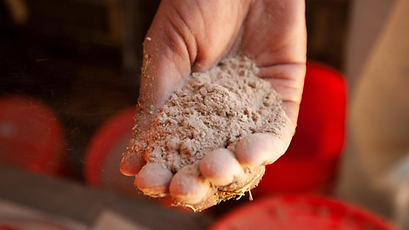
Molasses has been used as a livestock feed for more than 100 years. Research as early as the 1950’s showed that cane molasses increases rumen microbial activity. Molasses is also a natural source of key essential minerals, including relatively high natural levels of potassium.
Bovatec is a drug that is commonly mixed into mineral supplements and is used for improved feed efficiency and increased rate of weight gain in cattle. It also helps prevent coccidiosis and helps in scrotal development of bulls. Bovatec is fatal to horses.
Vitamin E and Selenium are interrelated, and both are very important in the prevention of certain abnormalities such as nutritional muscular dystrophy (white muscle disease). Selenium-deficient areas are located in the northwestern, northeastern, and southeastern parts of the United States. Cattle in these areas should be given mineral supplements containing high levels of Vitamin E and Selenium and calves should be given a shot of BO-SE at birth. Cattle that are Selenium deficient may be affected by low conception rates, abortions, weak, crippled, or dead calves, retained placenta, a hard-to-break sac at birth, reduced calf weaning weights, chronic disease, unthriftiness (often times with weight loss and diarrhea), weakness, stiffness, lameness, or even cardiac failure.
Manganese is also important to include in a mineral supplement. Inadequate intake of manganese in young animals results in skeletal abnormalities that may include stiffness, twisted legs, enlarged joints, and reduced bone strength. In older cattle, manganese deficiency causes low reproductive performance characterized by depressed or irregular estrus, low conception rate, abortion, stillbirths, and low birth weights.
Zinc is an essential component for a number of important enzymes. In addition, other enzymes are activated by zinc. Enzymes that require zinc are involved in nucleic acid, protein, and carbohydrate metabolism. Zinc also is important for normal development and functioning of the immune system. Severe zinc deficiency in cattle results in reduced growth, listlessness, excessive salivation, reduced testicular growth, swollen feet with open, scaly lesions, and failure of wounds to heal.
Iodine functions as an essential component of the thyroid hormones thyroxine (T4) and triiodothyronine (T3), which regulate the rate of energy metabolism in the body. Iodine also helps prevent and cure ringworm in cattle. Iodine deficiency may result in calves born hairless, weak, or dead; reduced reproduction in cows characterized by irregular cycling, low conception rate, and retained placenta; and decreased libido and semen quality in males. Deficiency signs may not appear for more than a year after cattle are fed an iodine-deficient diet.


Comments